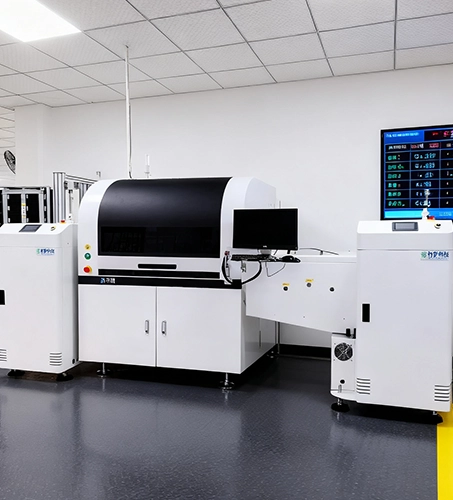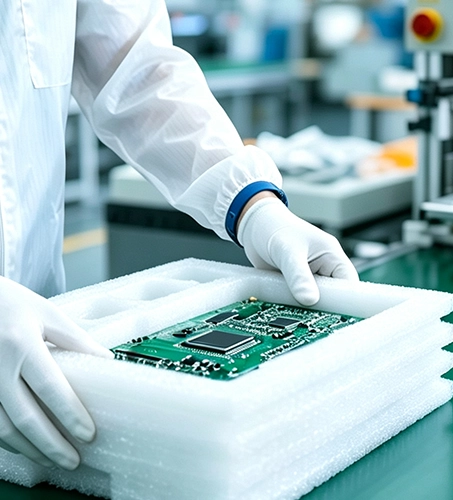




PCBアセンブリサービス

Low Volume PCB Assembly for Fast Prototyping & Small-Batch Production

Build only what you need without sacrificing assembly quality, engineering support, or production flexibility.

  • Low-Volume SMT & THT Assembly from 1–5 pcs.
  • Fast Prototype & NPI Support with 24-hour prototyping.
  • Component Sourcing & Turnkey PCBA for complete assembly.
  • Prototype to Small-Batch Production in 5–7 days.

Why PCBMASTER

Why Choose PCBMASTER for Low Volume PCB Assembly?

PCBMASTER gives you the flexibility to build low-volume PCBAs without sacrificing speed, quality, or scalability.

Low MOQ Production

Start with 1–5 pcs for prototypes and small-volume projects.

Build only what you need and avoid unnecessary inventory.

Fast Prototype Assembly

Get 24-hour prototype support for faster PCB assembly and product validation.

Shorter NPI cycles help you move from design to testing sooner.

Flexible SMT & THT

Choose SMT, THT, or mixed assembly according to your BOM and PCB design.

Support different component types and assembly requirements within one production workflow.

Turnkey Component Sourcing

Combine PCB fabrication, component sourcing, and PCBA assembly through one supplier.

Reduce purchasing complexity and coordination between multiple vendors.

Engineering & DFM Support

Identify potential manufacturing issues before your low volume PCB assembly begins.

Reduce design revisions, assembly defects, and delays during prototype production.

Production Scalability

Move from low volume assembly to small-batch and mass production as demand increases.

Keep your manufacturing process consistent as your project moves toward higher volumes.

Quick Guide

What Does Low Volume PCB Assembly Mean?

Low volume PCB assembly means producing a limited quantity of assembled PCBs for prototyping, engineering validation, NPI, pilot production, or early-stage manufacturing. It gives you enough PCBAs to test and validate your product before committing to larger production volumes.

The term low volume does not have one fixed quantity across the PCB industry. It generally sits between prototype builds and larger-scale production, with the actual volume depending on your project requirements.

Low Volume PCB Assembly: How It Compares with Other Production Stages

Production Stage Typical Volume Main Purpose
試作品 1–50 Design validation
Low Volume 50–1,000 Engineering & NPI
小ロット 1000–5,000 Initial production
量産 5,000+ Scaled manufacturing

When Do You Need Low Volume PCB Assembly?

Low volume PCB assembly is a good choice when you need to validate a new design, build NPI samples, complete functional testing, or produce an initial batch before demand is confirmed. It helps you limit inventory, reduce upfront production commitments, and make design changes before mass production.

If you need flexible quantities with fast prototype support and a clear path from prototype to small-batch production, PCBMASTER is a reliable choice for low volume PCB assembly.

主な特徴

Low Volume PCB Assembly Features

Low volume PCB assembly is designed for smaller production runs, where flexibility, process control, quick changes, and efficient setup are more important than high-volume throughput.

01

Small Production Runs

Produce limited quantities without the production commitment of mass manufacturing.

02

Rapid Setup

Prepare production efficiently for smaller and frequently changing assembly orders.

03

Quick Design Iterations

Accommodate PCB, BOM, and component changes between production runs.

04

Lower Inventory Exposure

Build closer to actual project requirements and reduce excess finished inventory.

05

Repeatable Assembly Process

Maintain consistent assembly results across prototype and low-volume production batches.

06

Short Production Cycles

Move smaller PCBA orders through production without long high-volume scheduling requirements.

07

Batch-Level Process Control

Monitor each production batch to maintain process consistency and assembly quality.

08

Prototype-to-Production Continuity

Use validated prototype builds as the foundation for subsequent production quantities.

Need a Low Volume PCB Assembly Solution?

Tell us about your PCBA project and our engineers will confirm the right build approach for your quantity.

見積もりを取得

Service Types

Low Volume PCB Assembly Service Types

PCBMASTER offers flexible SMT, THT, mixed, turnkey, consigned, and kitted assembly models to match your Low Volume PCB Assembly needs.

Low volume SMT assembly
01

Low Volume SMT Assembly

Low Volume SMT Assembly uses automated surface-mount placement for compact and high-density PCB designs.

It is ideal when you need efficient, precise assembly for prototypes, NPI builds, or small production runs.

Low volume THT assembly
02

Low Volume THT Assembly

Low Volume THT Assembly mounts through-hole components directly through the PCB for strong mechanical and electrical connections.

Choose it when your design includes connectors, transformers, large components, or mechanically demanding applications.

Low volume mixed SMT and THT assembly
03

Low Volume Mixed Assembly

Low Volume Mixed Assembly combines SMT and THT components on the same PCB to meet different component requirements.

It is suitable when your board requires both high-density surface mounting and mechanically robust through-hole components.

Low volume turnkey PCBA
04

Low Volume Turnkey PCBA

Low Volume Turnkey PCBA combines PCB fabrication, component sourcing, assembly, inspection, and testing through one supplier.

It is a practical choice when you want to simplify procurement and avoid coordinating multiple suppliers.

Low volume consigned assembly
05

Low Volume Consigned Assembly

Low Volume Consigned Assembly allows you to provide your own components while PCBMASTER manages PCB assembly.

It works well when you already have qualified components, negotiated pricing, or controlled inventory.

Low volume kitted assembly
06

Low Volume Kitted Assembly

Low Volume Kitted Assembly uses your prepared component kits for PCB assembly and production.

It is suitable when you have already purchased the BOM and want an experienced assembly partner to handle board population and manufacturing.

製造能力

Low Volume PCB Assembly Specifications

PCBMASTER provides high-quality Low Volume PCB Assembly with flexible production, component, inspection, and testing capabilities to meet different project requirements.

Parameter PCBMASTER Capability
Assembly TypeSMT / THT / Mixed
Production StagePrototype / Low Volume / Small Batch / Mass Production
Minimum Order Quantity1 set
Component TypesSMD / Through-Hole / BGA / CSP / PoP / Fine-Pitch Components
Minimum Component Size01005
Maximum PCB Size400 × 1200 mm
PCB Layers1-64 layers
Lead-FreeSupported
InspectionSPI / AOI / X-Ray / Visual Inspection / FQC
TestingFlying Probe / Functional Testing / Electrical Testing
部品調達Available
PCB FabricationAvailable
Turnkey PCBAAvailable
Consigned AssemblyAvailable
Kitted AssemblyAvailable
Assembly SidesSingle-Sided / Double-Sided
SMT Component SizeConventional 0201 / Limit 01005
Minimum Component SpacingConventional 0.30 mm / Limit 0.20 mm
IC PitchDown to 0.30 mm
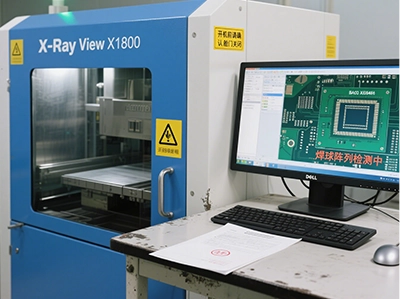
X線検査Available for BGA / CSP / PoP and hidden solder joints
StencilLaser-cut stencil; up to 736 × 1500 mm

Specifications may vary depending on PCB design, component package, material, assembly technology, and project requirements. Contact PCBMASTER for project-specific capability confirmation.

工程フロー

Low Volume PCBA Process

Take a closer look at how PCBMASTER manages every stage of the PCB assembly process, from SMT production and inspection to testing, packaging, and final delivery.

Step 01

RFQ & File Review

Submit your Gerber files, BOM, pick-and-place files, and assembly requirements for an initial review of your Low Volume PCB Assembly project.

Submit Your Files →
Step 02

DFM Engineering Review

Our engineers review your PCB layout, component placement, and manufacturing requirements to identify potential assembly issues before production begins.

Learn About Our DFM Review →
Step 03

PCB Fabrication

Your approved PCB files move into fabrication with the required materials, layer structure, surface finish, and specifications for your project.

Get a PCB Quote →
Step 04

部品調達

PCBMASTER sources the required components according to your BOM, helping you manage availability, specifications, and procurement within one production workflow.

Check Component Availability →
Step 05

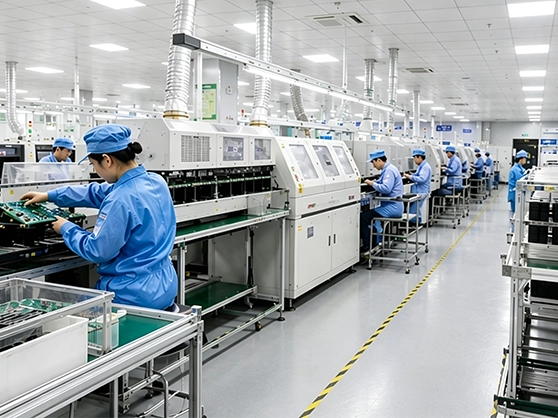
SMT / THT Assembly

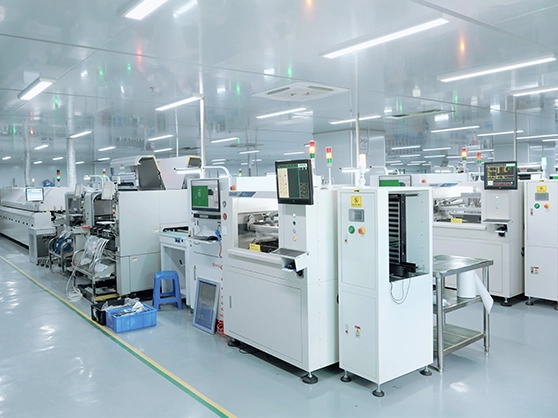
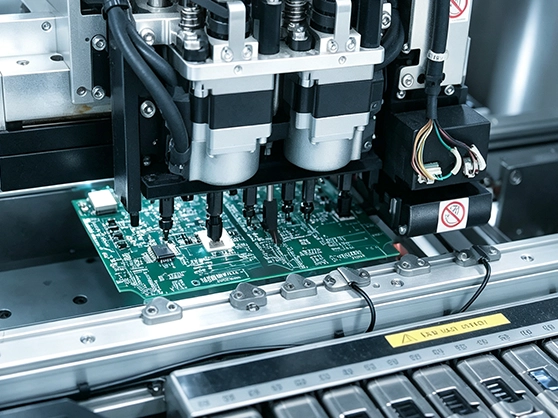
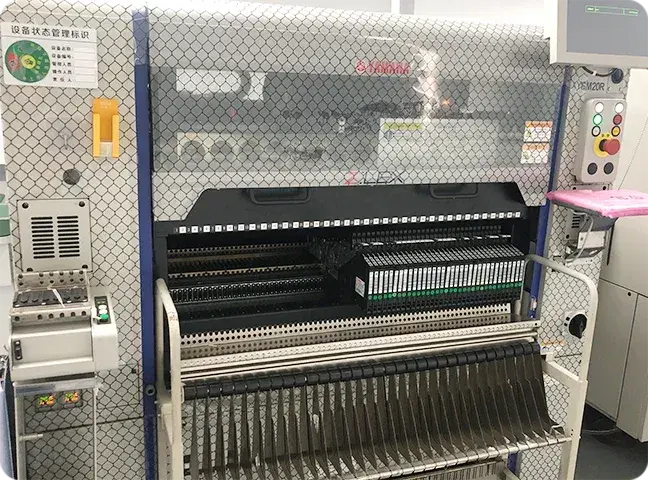
Components are assembled using the required SMT, THT, or mixed-technology process according to your PCB design and production requirements.

SMT reflow soldering line for low volume PCB assembly
Step 06

AOI / Inspection

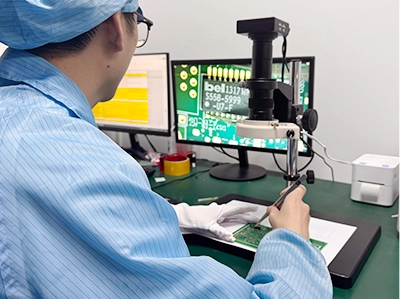
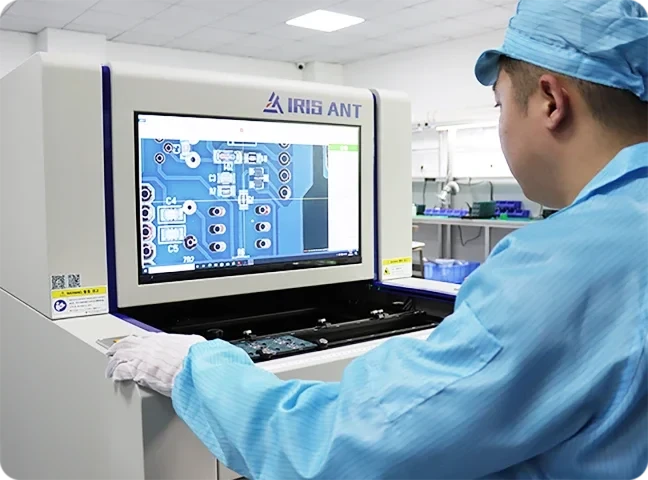
Automated optical inspection and other quality checks help identify soldering, placement, polarity, and component defects during the assembly process.

AOI inspection for low volume PCBA
Step 07

Testing

Your assembled PCBA can undergo functional, electrical, or other project-specific testing to verify performance before final inspection.

Functional and electrical testing for low volume PCBA
Step 08

Final Inspection & Delivery

Completed PCBAs receive final quality inspection and packaging before shipment, helping ensure your low-volume production reaches you ready for evaluation or use.

Final inspection and packaging of low volume PCBA
1 / 8

Quality Control

Quality Control for Every Low Volume PCBA Build

PCBMASTER uses incoming material inspection, SPI, AOI, X-ray, THT inspection, functional testing, and FQC throughout the Low Volume PCBA process. These inspections help verify component quality, placement accuracy, soldering integrity, and final board performance before your PCBAs are shipped.

To support consistent quality across every Low Volume PCB Assembly project, PCBMASTER follows ISO 9001, IATF 16949, UL, and RoHS requirements. These certifications and compliance standards provide a structured quality framework and help ensure your PCBAs meet applicable quality, safety, and environmental requirements.

Incoming material inspection for low volume PCBA

入荷検査

Verifies PCB quality and component compliance before assembly.

SPI solder paste inspection in low volume PCBA

SPI & Solder Paste Printing

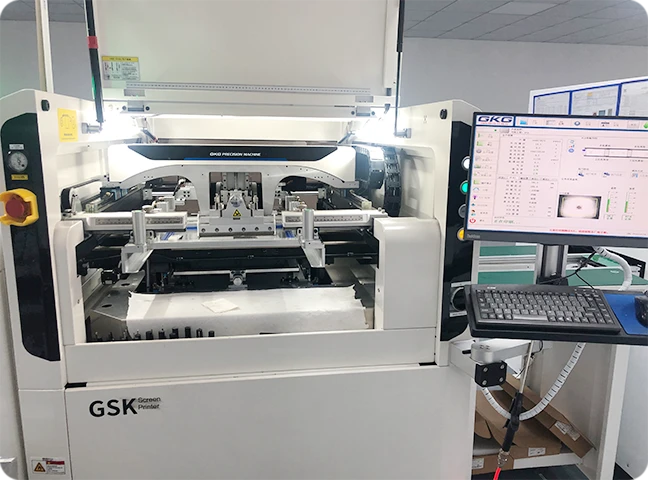
Confirms solder paste volume, position, and printing quality.

AOI inspection during low volume SMT assembly

AOI

Detects placement, polarity, and visible solder joint defects.

X-ray inspection of BGA hidden solder joints

X-Ray

Checks hidden solder joints such as BGA, CSP, and PoP.

Functional testing of low volume PCBA

Functional Testing

Verifies electrical performance and product-level functionality.

FQC final inspection before low volume PCBA shipment

FQC

Final quality checks before boards are packed and shipped.

ISO 9001

ISO 9001

Quality Management System

IATF 16949

IATF 16949

Automotive Quality Management

UL

UL

Recognized Safety Compliance

RoHS

RoHS

Environmental Compliance

Build Less. Learn Faster. Scale Smarter.

Produce only what you need, validate your design faster, and scale confidently when your product is ready for production.

Have a Low Volume PCB Assembly project in mind? Talk to our engineers and get a solution tailored to your requirements.

見積もりを取得

RFQ Guide

What Do You Need for a Low Volume PCB Assembly Quote?

A complete Low Volume PCB Assembly RFQ helps PCBMASTER evaluate your project accurately and provide a faster, more reliable quotation.

PCB Assembly RFQ Checklist

Required Information Purpose
Gerber FilesDefine the PCB layout and manufacturing data.
BOMSpecify components, quantities, and part numbers.
Pick-and-Place / CPL FilesDefine component locations and placement coordinates.
PCB DrawingsProvide board dimensions, tolerances, and mechanical details.
Assembly DrawingsShow component placement, polarity, and assembly requirements.
PCB SpecificationsDefine layers, material, thickness, copper weight, and surface finish.
Component SpecificationsClarify critical component requirements and approved parts.
数量Define the required low-volume production quantity.
Assembly SideSpecify single-sided or double-sided assembly.
Testing RequirementsDefine functional, electrical, or other required testing.
Target Delivery DateHelp determine the appropriate production schedule.

Have Your Files Ready?

Get your Low Volume PCB Assembly Quote from PCBMASTER.

見積もりを取得

Industries

Low Volume PCB Assembly for Different Industries

PCBMASTER provides Low Volume PCB Assembly for applications where the PCB serves as the core platform for power distribution, signal processing, control, communication, and system monitoring.

Industry Low Volume PCB Assembly Role & Benefits
自動車電子機器Supports BMS, vehicle control, and sensor systems while enabling rapid prototype validation and design iterations.
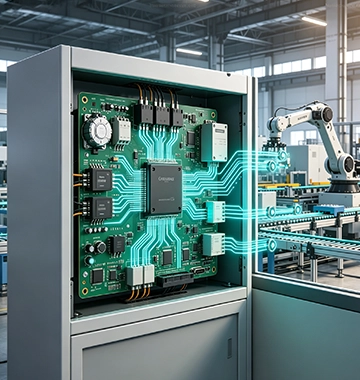
産業用コントロールSupports motor, sensor, and automation control while allowing flexible production for equipment development and NPI.
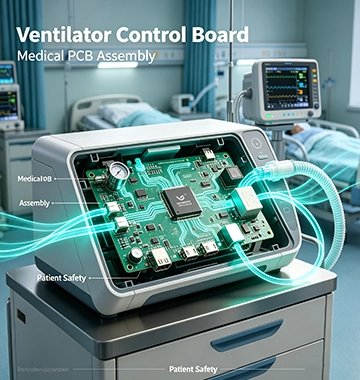
Medical ElectronicsSupports sensors, processors, displays, and control circuits while enabling controlled production for medical-device development and validation.
CommunicationSupports high-speed signal processing and communication interfaces while enabling fast prototyping and flexible production for new communication equipment.
家電製品Integrates processors, power circuits, sensors, displays, and user interfaces while reducing inventory risk during product development and market launch.
IoT DevicesIntegrates sensors, processors, wireless modules, and power-management circuits while supporting rapid product iteration and low-volume market testing.
Power ElectronicsSupports power conversion, regulation, monitoring, and protection circuits while enabling flexible production for new power-system designs and validation.
Server & ComputingSupports processors, memory, power, storage, and high-speed interfaces while enabling prototype validation and early-stage production of computing hardware.

Need Low Volume PCB Assembly for Your Application?

Share your design requirements and get a low-volume assembly solution matched to your industry.

見積もりを取得

Case Studies

Low Volume PCB Assembly Case Studies

PCBMASTER has supported customers across different industries with Low Volume PCB Assembly for prototype validation, engineering testing, and early-stage production.

Low volume automotive BMS PCBA for engineering validation

Automotive BMS: Low Volume HDI Assembly for Engineering Validation

6-Layer HDI Blind & Buried Vias 8,000+ Cycles

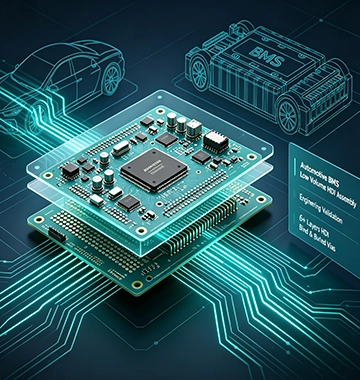
One of our new-energy automotive customers was developing a battery management system (BMS) that needed to accommodate a large number of monitoring and control connections within a compact structure. As circuit density increased, the conventional multilayer stack-up offered increasingly limited routing and interconnection options within the available board area.

For the Low Volume PCB Assembly build, the project required a manufacturing approach that could support engineering validation without immediately moving to large-scale production. After discussing the functional requirements with the customer, PCBMASTER’s engineering team proposed a 6-layer HDI design incorporating blind and buried vias. This structure increased routing density and interconnection flexibility within the existing board footprint without simply increasing the PCB size.

The assembled BMS PCBAs were then used for cycle-life validation and achieved more than 8,000 cycles, meeting the customer’s requirements.

Low volume industrial control PCBA for environmental validation

Industrial Control: Low Volume PCBA for Environmental Validation

−40°C to 125°C Vibration Testing EN 61373

One industrial-control project from Germany required a PCBA capable of operating reliably across a temperature range of −40°C to 125°C while also withstanding mechanical vibration. The customer needed assembled boards for engineering and environmental validation before moving further into production.

For this Low Volume PCB Assembly project, PCBMASTER’s engineering team focused on material selection, component compatibility, solder-joint reliability, and assembly process control to address both thermal and mechanical stresses. The low-volume build allowed the customer to obtain assembled boards for validation while keeping production quantities aligned with the project stage.

The completed assembly successfully passed vibration testing in accordance with EN 61373, confirming that it met the mechanical environmental requirements of the application.

Low volume medical ventilator PCBA with biocompatible coating

Medical Ventilator: Low Volume PCBA for Medical Device Production

Ventilator PCBA Biocompatible Coating ISO 13485

For a U.S. medical-device project involving ventilator equipment, the customer required assembled PCBAs with controlled manufacturing and material requirements suitable for the medical application. The project also required consistent production quality as the product moved through its development and production stages.

For the Low Volume PCB Assembly project, PCBMASTER used a biocompatible coating to protect the assembled PCB and maintained controlled manufacturing and inspection procedures throughout production. The PCBA was manufactured under PCBMASTER’s ISO 13485-certified quality management system, supporting consistent quality and controlled production.

The completed PCBAs met the customer’s requirements and were subsequently supplied in batches for the ventilator application, allowing production to scale according to the customer’s needs.

Customer Voices

What Customers Say About Our Low Volume PCB Assembly

See how customers from different industries evaluate their Low Volume PCB Assembly projects, from prototype builds and engineering validation to quality control and technical support.

Michael Anderson

Michael Anderson — Hardware Engineering Manager

Automotive Electronics | Detroit, USA

Project: Low Volume BMS PCB Assembly

“I’ll be honest, the first thing I checked was the placement accuracy. The BMS board is dense, and we couldn’t afford to discover assembly problems after the boards arrived. For our Low Volume PCB Assembly build, we went through the details with the engineering team before production, and that gave us a lot more confidence. The boards performed as expected, and we were comfortable moving ahead with the next build.”
Sophie Laurent

Sophie Laurent — Product Development Engineer

Industrial Automation | Lyon, France

Project: Low Volume 6-Layer Industrial Control PCB Assembly

“Our schedule was tight, so speed was honestly my biggest concern. I needed the prototype in hand, not another week of emails discussing when it might be ready. The communication was straightforward, and the Low Volume PCB Assembly process helped us move through the prototype stage without too much delay. That helped our team get the controller onto the test bench much sooner than we expected.”
Daniel Brooks

Daniel Brooks — Manufacturing Engineer

Medical Electronics | Boston, USA

Project: Low Volume Medical Device PCB Assembly

“I tend to look at the paperwork as closely as I look at the boards. For a medical project, that’s just part of the job. We needed clear traceability and inspection records for our Low Volume PCB Assembly project, and I had quite a few questions along the way. The team didn’t try to rush us through them—they took the time to provide the information we needed. That made the whole production process feel much more controlled from our side.”
Markus Weber

Markus Weber — Senior RF Engineer

Communication Equipment | Munich, Germany

Project: Low Volume High-Frequency PCB Assembly

“For me, the laminate was the starting point. If the material is wrong, there is little point talking about the rest of the design. We had a specific RF requirement, so I wanted to understand exactly what material and stack-up would be used for our Low Volume PCB Assembly project. I appreciated that I could have that technical conversation directly with the engineering team. It felt less like ordering a PCB and more like working with someone who understood the design.”

Technical Guidance

Everything You Need to Know About Low Volume PCB Assembly

Planning a Low Volume PCB Assembly project? Based on PCBMASTER’s experience, here are the key technical points you should consider, from PCB design and components to assembly, inspection, and testing.

01

How Does Low Volume PCB Assembly Differ From Mass Production?

Low volume assembly should be managed differently from mass production. At the low-volume stage, prioritize flexibility, rapid engineering feedback, and design changes rather than optimizing solely for maximum throughput.

Factor Low Volume 量産
数量SmallLarge
Design ChangesMore frequentLimited
Engineering SupportLower after validation
BOM StabilityMay changeUsually stable
Production FocusFlexibility & validationEfficiency & repeatability

For your project, this means you can use smaller builds to identify PCB, BOM, assembly, and testing issues before committing to higher production volumes. Once the design and process are stable, you can optimize them for mass production.

02

What PCB Design Factors Matter for Low Volume Assembly?

Design the PCB for both electrical performance and manufacturability. Before releasing your files, make sure there is enough clearance between components, use footprints matched to the actual packages, provide suitable fiducials, and keep polarity-sensitive components consistently oriented.

For large copper areas, thermal pads, fine-pitch ICs, and other thermally sensitive structures, consider their effect on soldering and reflow. Panelization should also be considered early based on PCB dimensions, board shape, and assembly requirements.

These decisions give automated equipment enough space for accurate placement and inspection, reduce soldering and component-interference risks, and make rework easier if a design revision is required.

03

How Should You Design a PCB for SMT Assembly?

Design your SMT board around the actual assembly process, not only the circuit layout. Use validated footprints, maintain adequate component clearance, orient components consistently, and consider stencil and reflow requirements during PCB design.

For fine-pitch, BGA, and QFN components, review pad geometry, solder-mask requirements, thermal pads, and surrounding clearance before fabrication. A production-ready SMT design improves placement and soldering consistency while reducing assembly defects, inspection difficulties, and unnecessary design revisions.

04

When Should You Use SMT, THT, or Mixed Assembly?

Choose the assembly technology according to the component’s electrical, mechanical, and packaging requirements.

  • SMT: Use for compact, high-density, and fine-pitch components where automated placement is advantageous.
  • THT: Use for connectors, transformers, switches, and other components exposed to significant mechanical stress.
  • Mixed Assembly: Use when the board combines high-density SMT components with components that require through-hole mounting.

Choosing the right process during the design stage prevents unnecessary assembly changes later and allows each component to use the mounting technology best suited to its function.

05

How Do Components Affect Low Volume PCB Assembly?

Review your BOM before production rather than waiting until component procurement begins. Check availability, lead time, lifecycle status, package type, approved alternatives, and special assembly requirements.

For fine-pitch and BGA components, also confirm that your assembly and inspection processes can support the selected packages. Identifying sourcing risks and qualified alternatives early gives you more options when components become unavailable.

This can reduce procurement delays, unexpected substitutions, and production interruptions—particularly important when a component shortage could delay an entire low-volume build.

06

How Does DFM Improve Low Volume PCB Assembly?

Use DFM to identify manufacturing risks before fabrication and assembly, when changes are easier and less costly to make. A practical review should check component clearance, footprints, pad and stencil design, fiducials, panelization, component orientation, PCB tolerances, and assembly constraints.

For example, if a fine-pitch component has insufficient clearance, correcting the layout during DFM is far easier than discovering a placement or soldering problem after assembly.

A thorough DFM review can therefore improve first-build success, reduce rework and design revisions, and help you move from assembled boards to functional testing faster.

07

What Inspection and Testing Are Used for Low Volume PCB Assembly?

Select inspection and testing according to the actual risks of your PCBA, rather than automatically using every available method.

Method When to Consider It What It Helps Verify
SPISMT assemblySolder paste volume and position
AOISMT assemblyComponent placement and visible solder defects
X-RayBGA, QFN, CSP, hidden jointsInternal solder-joint quality
Visual InspectionAll assembly typesAppearance and assembly quality
Flying ProbePrototype and low-volume buildsElectrical connectivity
Functional TestingApplication-specificProduct-level functionality

For example, a standard SMT board may rely on SPI and AOI, while a board with BGA or other hidden solder joints may require X-ray inspection. Flying probe can be useful for low-volume builds when you need electrical verification without investing in a dedicated fixture.

Choosing the right combination helps you focus inspection resources on the highest-risk areas, detect defects earlier, and avoid unnecessary testing costs.

08

How Should a Low Volume PCBA Move From Prototype to Production?

Treat each production stage as an opportunity to reduce risk before increasing volume:

試作品 Design Validation NPI Low Volume 小ロット 量産

During the prototype stage, identify basic design and assembly issues. Use validation results to stabilize the PCB and BOM, then use NPI to refine DFM, assembly processes, inspection, and testing.

Once the design and manufacturing process are stable, low-volume production can provide additional feedback before larger production runs. This approach allows you to solve problems while quantities are still manageable and scale only when the product is ready for higher-volume manufacturing.

FAQ

Low Volume PCB Assembly FAQ

Before placing an order, you may have some questions. PCBMASTER has compiled the questions customers most often ask before starting a Low Volume PCB Assembly project.

The cost depends on PCB specifications, component count, BOM complexity, assembly method, order quantity, and testing requirements. Submit your Gerber files and BOM for a project-specific quote.

Lead time depends on PCB fabrication, component availability, assembly complexity, and testing requirements. PCBMASTER supports 24-hour prototype service and 5–7 day production for applicable projects.

Yes. You can submit your BOM even if some components are not yet available. The engineering and sourcing teams can review component availability and identify potential procurement issues during the quotation process.

PCBMASTER can check component availability and evaluate suitable alternatives based on your requirements. Any proposed substitute should be reviewed and approved before production.

Yes, but changes should be communicated as early as possible. PCB or BOM revisions may affect component sourcing, DFM review, production preparation, and delivery time.

Submit your Gerber files, BOM, pick-and-place files, quantity, and assembly requirements for engineering review. Our engineers can then evaluate your project and provide a tailored quotation.

Still have questions? Talk to our engineers.

Get clear answers before you start your Low Volume PCB Assembly project.

見積もりを取得

始める

Ready to Build Your Next Low Volume PCBA?

Send your Gerber files, BOM, quantity, and assembly requirements to PCBMASTER. Our team will review your project and provide a quote tailored to your manufacturing requirements.

Get Your Low Volume PCB Assembly Quote

ホーム Quote 私の注文
Get Coupon