








PCB Material Shortage in 2026: Causes, Impacts, and How Buyers Can Respond
We’re well into the second half of 2026 now and one thing is certain and still ongoing in the PCB industry: tight material supplies and soaring prices. Longer lead times, more frequent price increases and instability in supply have become an everyday fact of life for PCB purchasers.
That brings up some important questions: What exactly is driving this materials shortage? What is the real impact on the industry? And how can PCB buyers mitigate that risk?
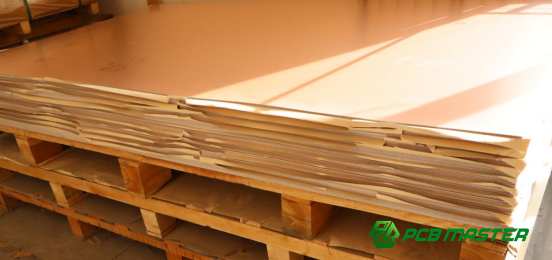
Why Is There a PCB Material Shortage in 2026?
The current situation is not caused by a single reason but a combination of different factors like increased demand, bottlenecks on the supply side and external shocks. Regarding the demand, the rise in applications related to AI has resulted in an enormous spike in demand for high-performance PCBs. On the supply side, the availability of key materials like high-end copper-clad laminates (CCL), copper foil and electronic-grade glass fiber cloth is limited. Meanwhile, geopolitical and logistical uncertainties have placed additional pressure on the entire supply chain.
AI-driven demand is the primary pressure source
According to Grand View Research , the global artificial intelligence market will grow from $539.5 billion in 2026 to $3.5 trillion by 2033, at a compound annual growth rate (CAGR) of 30.6%. AI servers, data centers and high-speed network systems generally need advanced PCB materials, specifically:
- Low-Dk (dielectric constant) / Low-Df (dielectric loss) laminates
- High-Tg (glass transition temperature) materials
- HVLP (hyper-low profile) copper foil
- Low-CTE (coefficient of thermal expansion) fiberglass cloth
Compared to traditional consumer electronics, these applications have much more rigorous demands on electrical and thermal performance, naturally placing more pressure on the supply chain.
Limited Supply of High-End Materials
On the supply side, the manufacturing complexity of high-end PCB materials is essentially higher than that of standard FR-4 materials. For example:
- High-performance copper-clad laminates (CCL) require strict control over resin systems and lamination processes, with even minor fluctuations in parameters having a direct impact on high-speed signal transmission performance.
- HVLP (Hyper-Low Profile) copper foil requires the balance of ultra-low surface roughness and sufficient adhesion, which is difficult to maintain the stability of these characteristics in mass production.
- Advanced fiberglass cloth requires precise fiber control and highly consistent weaving processes to simultaneously meet the requirements of low dielectric properties and thermal stability.
In most cases, achieving mass production for these materials is not merely a matter of production capacity, but also one of process maturity.
As it stands, even when manufacturers begin production, the entire cycle—spanning equipment installation, process debugging, yield stabilization, and customer certification—typically takes over a year. Such a lengthy timeline means the supply side is fundamentally unable to respond rapidly to sudden surges in demand.
Geopolitical and Supply Chain Factors
This factor speaks for itself; let us see an example. The high-purity polyphenylene ether (PPE) resin is critical to thermal stability and signal integrity and is used extensively in AI servers, 5G infrastructure and automotive electronics. According to public information, a large petrochemical plant in Jubail, Saudi Arabia, was shut down in March because of regional geopolitical tensions and logistics disruptions. Industry estimates indicate that this facility previously accounted for over 70% of the global supply of high-purity PPE resin.
With the supply of the material cut off at the source, a shortage became inevitable.
How Is the PCB Industry Being Affected?
The impact on the PCB industry is reflected mainly in three aspects, rising prices, longer lead times, and greater procurement risks.
Rising material prices
Scarce resources increase value, and with the shortage of PCB materials, rising PCB prices are inevitable.
According to Reuters, prices of PCB-related products surged by up to 40% in April compared to March, and the market has continued to rise since then.
My biggest takeaway from working at PCBMASTER as an engineer is that we have a very strong supply chain network that allows us to have most PCB products available, but we have also had to adjust our own quotes accordingly due to the rising material costs from upstream suppliers.
Extended lead times
Due to material shortages, many PCB suppliers are struggling to fulfill orders, causing a backlog to accumulate with the manufacturers that are still able to supply products. Naturally, the resulting order queues lead to extended lead times, compounded by the fact that many materials themselves are subject to delays amidst the shortage.
According to the International Laminate Manufacturers Association (ILFA), lead times for advanced materials—such as high-Tg (high glass transition temperature) and low-Dk (low dielectric constant) laminates—have in some cases stretched to as long as 140 days.
In reality, however, these delays are no longer confined to high-end materials. In many regions, production lead times are lengthening even for standard FR-4 materials due to a backlog of demand.
Higher procurement risk
A shortage of PCB materials presents procurement risks for PCB buyers, especially in the following three areas:
- Uncertain planning: Short lead times make it difficult to plan production schedules.
- Unpredictable pricing: Prices change which makes planning budgets difficult and increases overall cost pressures.
- Supplier concentration: For some of the high-end materials, supply is dominated by a few manufacturers and thus, the ability to respond to supply disruptions is reduced.
How Should PCB Buyers Respond?
In this environment, passive procurement is no longer suitable; instead, a more systematic approach to planning is necessary.
Early procurement planning
In practice, the earlier PCB procurement planning is started, the more control the buyer has over the delivery schedule. In other words, clear demand forecasts at the product planning stage and purchasing based on such demand can greatly reduce delays at later stages.
Long-term supplier partnerships
Once the purchasing plan is in place, selecting the right supplier is equally critical.
Beyond manufacturing capabilities, material supply stability and procurement strength are other key considerations, especially when supplies are tight.
Take PCBMASTER for an example: we have a strong PCB material supply chain that provides us with a steady supply of multiple materials, allowing our PCB products to be delivered on time and to keep our customers’ production lines up and running.
Inventory optimization
With PCB material shortages and long lead times, the main objective of inventory optimization is to avoid production stop due to late PCB deliveries. However, keeping too much inventory is not the best solution. “Striking the right balance is critical.
- Overstock: increases warehousing cost and ties up more capital.
- Low inventory: more vulnerable to run out of material and kill production.
Therefore, PCB buyers need to match their inventory strategies to product launches and production needs to optimize capital efficiency with supply chain resilience.
Material substitution planning
In case of shortage of some PCB materials, design teams can try different suitable materials on the design stage to avoid production delay.
PCBMASTER’s team of expert engineers can help users to review alternative materials from various perspectives, including electrical performance, thermal stability, manufacturability and long-term reliability. Take an example of an AI server backplane project with 56Gbps signal transmission. The original design used Isola I-Tera MT40, but due to material shortage the lead time was 12-16 weeks. After thorough analysis of the product’s specific application and performance needs by our expert engineers, PCBMASTER recommended using Rogers RO4350B as an alternative.
This was a trade-off between delivery constraints and performance requirements that the client was happy to accept and the project was successful and on time.
Conclusion
The 2026 PCB material shortage will not be a single problem, but rather a perfect storm of many factors including increasing demand from AI, tight supply of high-end materials and an unstable supply chain. These issues will not be solved overnight but can be addressed with better planning, more collaboration with suppliers and flexible design strategies.
At PCBMASTER we work as an engineering partner for our clients, not just as a manufacturer, helping them with their material selection challenges, providing a stable supply and ensuring production continuity in a volatile market.
If your projects are constrained by materials or lead time, our engineering team can work with you to identify practical, viable alternatives.
FAQs
1. Why is there a shortage of PCB materials in 2026?
The 2026 shortage of PCB materials is attributed to several factors, including rapid demand growth in the artificial intelligence (AI) sector; limited production capacity for high-end materials such as copper-clad laminates (CCL), HVLP (Hyper-Very-Low-Profile) copper foil, and low-dielectric-constant (Low-Dk) fiberglass cloth; and global supply chain disruptions caused by geopolitical tensions and the logistics constraints.
2. Which PCB materials are most severely affected by the current shortage?
While the PCB material shortage is widespread, the most critical shortages are in high-performance materials used in AI servers, data centers, 5G infrastructure, automotive electronics, and other advanced applications. These materials include Low-Dk/Low-Df (low dielectric constant/low dissipation factor) laminates, High-Tg (high glass transition temperature) CCLs, HVLP copper foil, Low-CTE (low coefficient of thermal expansion) fiberglass cloth, and specialty resin systems.
3. How does the PCB material shortage affect lead times?
When the demand exceeds the supply, manufacturers face longer waits in order to receive raw materials before they can start production.In some cases, PCB manufacturers may experience a complete cutoff of material supplies, causing orders to pile up at manufacturers who do have material available. Consequently, lead times for many PCB materials—especially high-end laminates and specialty materials—have extended significantly.
4. How can PCB buyers mitigate supply chain risks?
To minimize supply chain risks, PCB buyers should plan procurement early, develop long-term relationships with reliable PCB manufacturers, keep enough inventory, and consider alternative materials during the PCB design phase.
5. Can alternative PCB materials provide the same performance?
Yes, more often than not they can. If carefully engineered and validated alternative materials can deliver similar performance if they have similar electrical, thermal and mechanical properties. Experienced PCB fabricators can also recommend appropriate alternatives and ensure signal integrity, reliability and manufacturability.